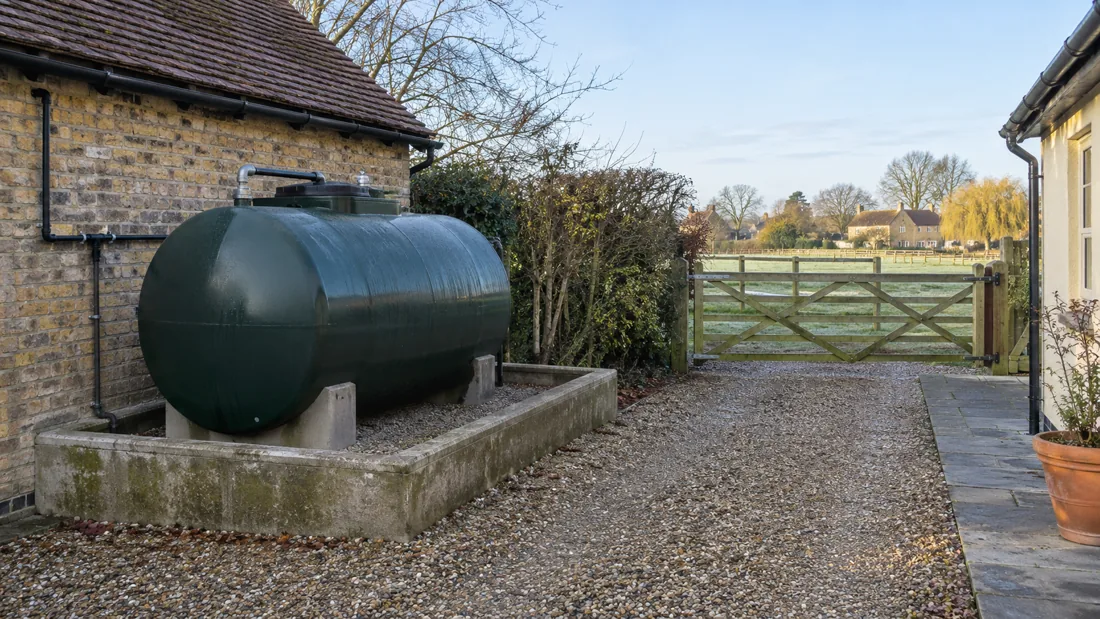
Cambridge: City Buildings And Fuel Systems
Cambridge Science Park is on Milton Road, close to the A14 and A10 junctions. Its official visitor guidance asks visitors to confirm parking with the organisation they are meeting. For tank work at managed premises, give the exact building and service access, rather than only the estate name. Confirm vehicle standing space and any permit or escort arrangements.
The city has designated conservation areas, documented by Greater Cambridge Shared Planning. If a tank is being moved or screening altered, check the property’s constraints early. Do not assume that a modern replacement automatically fits the old position or that work can proceed without coordination with other building responsibilities.
Great Shelford And Girton
Great Shelford has a conservation area and a river setting associated with the Cam, described in the council’s conservation appraisal. The tank assessment should consider nearby drainage and how a spill could move, while a relocation may need heritage advice. River context is a reason to ask about the exact plot, not a claim that every property floods.
For a replacement enquiry in Girton, photograph the relationship between the tank, neighbouring buildings and the route from the road. If garden or building alterations are planned, include the finished layout so the proposed tank position can be assessed once rather than revisited after construction.
Histon, Impington And Cottenham
Histon and Impington have separately mapped conservation areas within the shared planning resource. Cottenham also has a published conservation boundary. These are property-specific constraints, not reasons to assume that all tank work needs planning consent. Check the mapped boundary and ask for advice where a proposed move affects a sensitive setting.
For enquiries in these villages, tell us whether the tank is staying on its existing footprint or moving behind a building, fence or extension. A short tank-to-road distance can still involve a narrow gate or shared route. Include photographs of the narrowest point and explain whether temporary access through another property would need to be arranged.
Milton, Waterbeach And Fen Ditton
Milton, Waterbeach and Fen Ditton all appear in the shared planning service’s conservation-area records. The Waterbeach appraisal describes the old village’s connection to the River Cam and a tighter pattern of buildings at the southern end of High Street. This supports asking about drainage and the actual route between buildings before setting a tank-work method.
National Highways identifies the A14’s Milton Interchange and Fen Ditton Junction on its River Cam bridge route. Give the actual approach to your property, since trunk-road proximity does not establish delivery access. If your property is beside a ditch, has a history of standing water or uses an unmade access track, say so. Those are questions for the particular site, not assumptions about an entire village. For buried storage, explain whether machinery could reach the tank position and where excavated material could be kept without blocking access.
Fulbourn And Swaffham Prior
The Fulbourn conservation appraisal describes chalk fields to the south meeting fen and marsh to the north, alongside the village’s protected historic setting. A change of tank position should account for the actual plot, water routes and any heritage constraints. If contamination is suspected, include that information before arranging removal or any groundwork.
Swaffham Prior’s community heat network was developed in response to the village’s reliance on fossil-fuel heating, described by the Combined Authority. For a property changing heating, identify whether the old oil tank is fully redundant and whether any usable fuel remains. A heating change should also prompt a check that old delivery points and disconnected supply lines are dealt with.
The Details That Matter In Every Area
A postcode is the first step in checking coverage and availability. Add the tank type, the equipment it serves and a rough remaining level. A wide photograph from the vehicle approach and close views of the tank and base are useful, provided they can be taken without entering a hazardous area.
Coverage and the proposed method are confirmed for the individual enquiry. We do not promise a response time or imply a staffed office in each village. Start with the removal guide, replacement guide or cleaning guide if you want to understand the likely scope before contacting us.