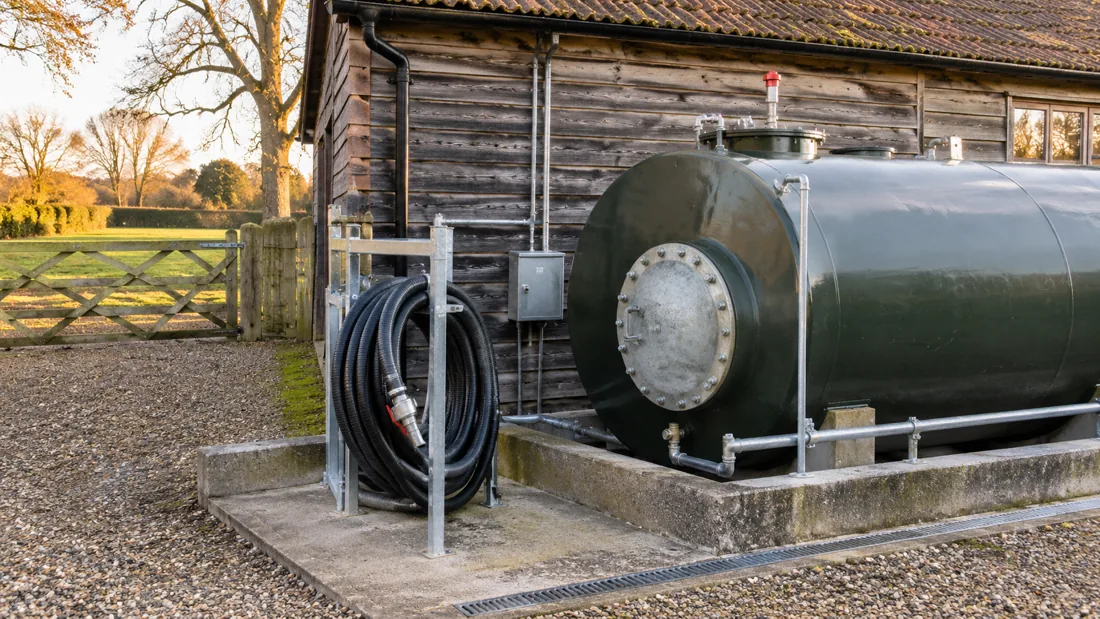
Symptoms Need A Diagnosis
Repeatedly blocked filters, unreliable heating and visibly dirty fuel justify an investigation. They do not prove that tank cleaning is the only answer. Water entry, a damaged cap, corrosion or a fault in connected equipment can create similar problems, so the contractor needs the history as well as the symptoms.
Standby fuel deserves attention even when a generator rarely runs. Ask whether sampling or inspection should come before choosing a cleaning method. Keep previous results and maintenance reports available, since a change over time can be more useful than a single observation made when a fault appears.
Cleaning Or Fuel Treatment?
Tank cleaning removes deposits from the storage vessel, including sludge on the floor and accessible internal surfaces. Fuel filtration or polishing treats the liquid. Filtering alone does not demonstrate that settled material inside the tank has been removed, and cleaning alone cannot certify that every batch of recovered fuel is suitable for use.
The scope may combine both tasks where fuel is recoverable. If the tank has structural damage, replacement may be the more appropriate route. Agree what will be inspected once deposits are removed and how any defects discovered during the work will be reported before recommissioning.
A Controlled Cleaning Programme
The contractor assesses access, tank condition and contents, then arranges fuel recovery and isolation. Usable fuel is kept apart from water and residue. Suction and cleaning equipment remove contamination using a method suited to the tank’s material, openings and internal arrangement, rather than applying the same process to every vessel.
The cleaned tank can then be checked within the limits of the agreed inspection. Suitable recovered fuel may be filtered and returned, or a refill arranged separately. Reconnection and equipment restart need coordination so that the tank is not put back into service before checks and connection work are complete.
Access Without Unnecessary Entry
Send photographs of inspection openings from outside the tank and any drawings showing baffles or internal compartments. A small hatch can affect which surfaces equipment can reach. The method should state its practical limits, particularly where a full internal view or access to every compartment is not possible.
Tank entry is a specialist risk decision. HSE advises avoiding confined-space entry where the work can be achieved another way. If entry is necessary, the safe system and rescue arrangements must be established in advance. Do not enter a tank yourself to take photographs, check deposits or prepare for the contractor.
Remaining Fuel And Time Out Of Use
The amount of oil affects holding capacity, transfer time and disposal needs. Give the approximate level and fuel type, and mention additives, previous contamination and any old fuel left unused. The condition assessment determines what can be retained, so a quoted recovery allowance is not a guarantee that all contents will be reusable.
For a home, plan around loss of heating during the work. For an organisation, identify the permitted shutdown window and the person who controls the supplied plant. Backup systems may need an alternative arrangement while the tank is isolated, even if a routine power failure seems unlikely that day.
Pricing, Records And Prevention
Cost depends on contamination, access openings, internal geometry, fuel volume and the handling of waste. A commercial scope may require permits, atmosphere monitoring and controls for dangerous substances under DSEAR. Where specialist inspection or sampling is needed, ask whether it is included or separately quoted.
Request a record of the method, findings, fuel handling and waste removed, with the relevant waste paperwork. Cleaning does not come with a universal legal expiry date. Future inspection and sampling should follow the tank’s condition and use, and any water-entry route should be addressed so that the same contamination does not simply build up again.
Common Questions
How Often Should An Oil Tank Be Cleaned?
Oil tank cleaning intervals depend on inspection findings, water entry, fuel turnover and contamination history. A calendar alone cannot establish whether the tank is clean or fuel is usable. If filters repeatedly block or sampling shows a developing problem, arrange an assessment rather than waiting for a routine anniversary or assuming another clean is sufficient.
Can My Existing Oil Be Returned Afterwards?
Oil from tank cleaning may be returned if assessment finds it suitable and the handling method keeps it separate from waste. Water, heavy sludge and seriously degraded fuel should not simply be pumped back. Ask how recovered oil will be checked, filtered and stored during cleaning, and how any rejected contents will be documented.
Tell Us About Your Tank
A postcode, photographs of the installation and an outline of the access are a useful starting point. Mention any suspected leak at the start of your enquiry.
Send A Tank Enquiry